By Nazreen Daud · Published 30 Oct 2026 · Updated 30 Oct 2026
What is blue ocean SEO for a small business? It means choosing search terms where people are looking but few businesses are answering, instead of fighting for the busiest ones. For our family's home business, that meant Malay search terms. Check language, area, problem, audience and service, then go where the crowd isn't.
Key takeaways
- You don't need the busiest search term. You need one where few businesses are answering.
- Look for less crowded terms by language, local area, specific problem, specific audience and specific service.
- AEO, GEO and AISO are labels for one job: how people find you and whether you get recommended.
- Check what already exists with free tools: Google's results, People Also Ask and Google Search Console.
- One story is not a guarantee. Crowded markets need you to stand out in other ways too.
A home business we started to help our mum
Who would have thought that a side business, a home-based business started to help my own mum, would still be alive and kicking today?
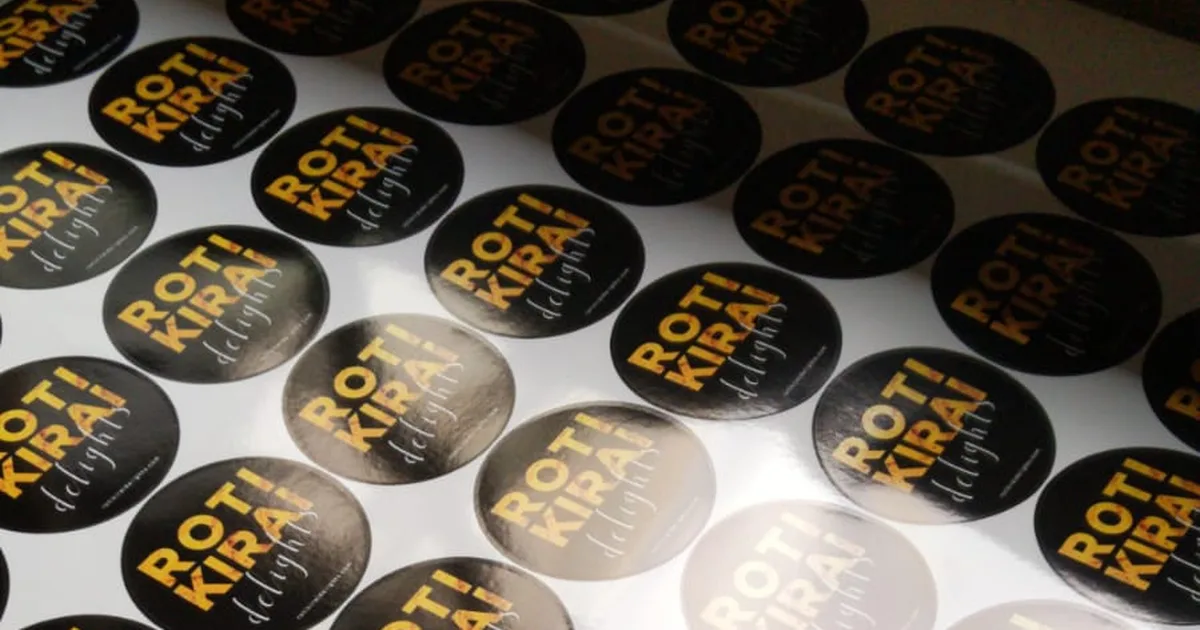
Roti Kirai Delights has been running since 2018. It started as a side hustle. My brother, Norazam Daud, and I were thinking about what we could do to help our mum.
Mum is known for cooking many cuisines. She bakes a few traditional Malay recipes, and she makes roti kirai. At the start she wasn't confident. As her son, I believed in her, and I thought we should just give it a try.
Long story short, we combined what each of us knew. I had been building websites. She knew how to make roti kirai. The website became the shopfront.
Why I chose Malay SEO over English SEO
When I looked at English search terms, they were already crowded. Lots of businesses, lots of content, lots of people competing for the same few spots. Malay search terms were a different picture. From what I could see, very few people who make roti kirai were doing any SEO.
So that's where I went. In my experience it was low-hanging fruit: the people searching in Malay were real, and the businesses answering them were few. For a good 8 years, we have kept going on SEO. The terms people search when they look for Roti Kirai Delights are "roti kirai singapore", "roti kirai sg" and "roti kirai near me".
Our very first customer was actually a cousin of ours, who secretly loved our mum's roti kirai. The moment she knew we were doing it for business, she ordered a few trays for an event that very weekend.
I want to be clear about what this is. It's my own experience with one small family business. It isn't a statistic, and I'm not claiming Malay SEO works the same for every product. It's the reason I believe less crowded terms are worth looking for.
What does "blue ocean" mean for a small service business?
A blue ocean is a space where you're not fighting a crowd. A red ocean is the opposite: everyone is chasing the same customers with the same words, and it gets bloody. The idea comes from the business book Blue Ocean Strategy by W. Chan Kim and Renée Mauborgne. The book is about creating new market space, not keywords; I'm borrowing the idea loosely for search.
Think of a pasar malam (an open-air night market). If ten stalls sell the same bubble tea at the entrance, they fight over every passer-by. The one stall selling something people want, but can't find elsewhere, doesn't need to shout. People walk to it.
Search works the same way. "Accountant Singapore" is the entrance of the pasar malam. A more specific term, in the right language, for the right problem, is the stall at the back with the queue.
For a small business, a blue ocean is rarely a whole new industry. It's usually a less crowded corner of your own.
Real estate versus roti kirai
Real estate is a tough market. The industry is very competitive, and the obvious search terms are full of agencies, portals and listings. For roti kirai, the competition online was far lighter, because, from what I saw, few people who make it were doing SEO.
Most businesses sit somewhere between those two. That's the useful part. If you're in a crowded field like real estate, the blue ocean isn't the main term. It's in the details: a particular estate, a particular type of buyer, a particular question nobody answers well.
AEO, GEO, AISO: is it all the same thing?
Yes, to me it's the same job. AEO (answer engine optimisation), GEO (generative engine optimisation) and AISO (AI search optimisation) are new names for how people find you, how you get recommended and how you're shown to the world.
I don't mind what people call it. At the end of the day, it comes down to how your website is set up behind the scenes and whether it clearly answers what people are asking. A search engine and an AI assistant both need to understand who you help, where and with what.
An analogy: whether a friend asks a neighbour, a directory or an AI assistant for "a good roti kirai near me", the answer still depends on someone being able to find you and trust what they see. The channel changes. The job doesn't.
If you want the longer version of how AI search fits in, I've written about AI search visibility for small businesses.
How to find your own blue ocean: a 5-step check
Here's a practical process you can do with free tools. No paid software, no guessed search volumes.
- Write down your five angles. For each, list two or three ways a customer might describe what they need:
- Language: Malay, Bahasa Indonesia, Chinese, Tamil, or how locals actually phrase it.
- Local area: a neighbourhood, town or estate, not just the country.
- Specific problem: the exact pain ("back pain after long drives", not "physiotherapy").
- Specific audience: who it's for ("for first-time landlords", "for home-based bakers").
- Specific service: one service, named the way customers name it.
- Search each term on Google, in a private window. Look at who shows up. If it's all big portals and directories, it's crowded. If you see thin pages, forum threads, or nothing that answers the question well, that's a gap.
- Read the People Also Ask box. These are real questions people type. Each one is a possible page or FAQ answer.
- Check Google Search Console if your site has it. The Queries tab in the Performance report shows the words people already used to find you. Look for terms where you appear but sit low on the page. Those are often the easiest to improve.
- Pick one term and build one genuinely useful page for it. Answer the question clearly in the first few lines, say who you help and where, and make the next step easy.
A hypothetical example, for illustration only: imagine a small physio clinic in the east of Singapore. "Physiotherapy Singapore" is a red ocean. "Physio for runners' knee in Tampines" might be much quieter, and the people searching it know exactly what they want.
Another illustration: imagine an interior designer who specialises in small resale flats. Instead of "interior design Singapore", a page answering "how to make a 3-room resale flat feel bigger" speaks to a narrower, warmer audience.
Getting found is only half of it. Once people land, the page has to turn a visitor into an enquiry. That's the work I do through Roquepress on websites that convert, and a good first test is what your homepage should say.
Curious about the family business? Have a look at Roti Kirai Delights, a separate brand from Roquepress.
What one story can and can't tell you
One family business is one story. It's not a guarantee, and I'm not promising your blue ocean will look like mine.
Markets differ. Some languages and areas are crowded too. In a field like real estate, finding a quieter term helps, but you'll also need to stand out through your service, your proof and how you follow up. A less crowded term gets you seen. It doesn't do the rest.
What I can say is what I would tell my own clients: don't assume the crowded term is the only way in. Looking back, I'd do the same thing again: combine what each of us knows.
Don't overthink it
This story reminds me to push my clients towards what they want to be, even when the competition isn't on their side.
Mum wasn't sure at the start. We tried anyway. If you've got something in mind, don't overthink it. Just do it. You never know. You could find your own blue ocean.
FAQ
What is blue ocean SEO?
Blue ocean SEO means targeting search terms where people are searching but few businesses are answering well, instead of competing for the busiest terms. For a small business, that often means more specific terms: a language, a local area, a specific problem, a specific audience or a specific service.
Is it easier to rank for Malay keywords than English ones?
It depends on the topic. In my own experience with Roti Kirai Delights, Malay search terms were far less crowded than English ones, because, from what I could see, very few roti kirai makers were doing SEO. That's one business, not a rule. Search the terms yourself and see who already answers them.
Are AEO, GEO and AISO different from SEO?
They're new names for the same job: helping people find you and helping search engines and AI assistants recommend you. The basics stay the same: a clear website that answers real questions, says who you help and where, and is set up properly behind the scenes.
How can I find less competitive keywords without paid tools?
Search your terms on Google in a private window and see who shows up. Read the People Also Ask questions. If your site is connected to Google Search Console, check the Queries report for terms where you already appear but rank low. Then write one useful page per term.
What if my industry is very competitive, like real estate?
Go narrower. Target a specific area, a specific type of client or a specific question nobody answers well. A quieter term helps people find you, but in a crowded market you'll also need clear proof, a clear offer and good follow-up to turn visits into enquiries.
About the author: Nazreen Daud is Founder of Roquepress and a Malay web consultant and marketer in Singapore. He has built websites for businesses since he started freelancing in 2013, registered Roquepress in 2019 and founded Mulacan in 2022. He writes practical, hype-free notes on websites, SEO and AI for service businesses.